
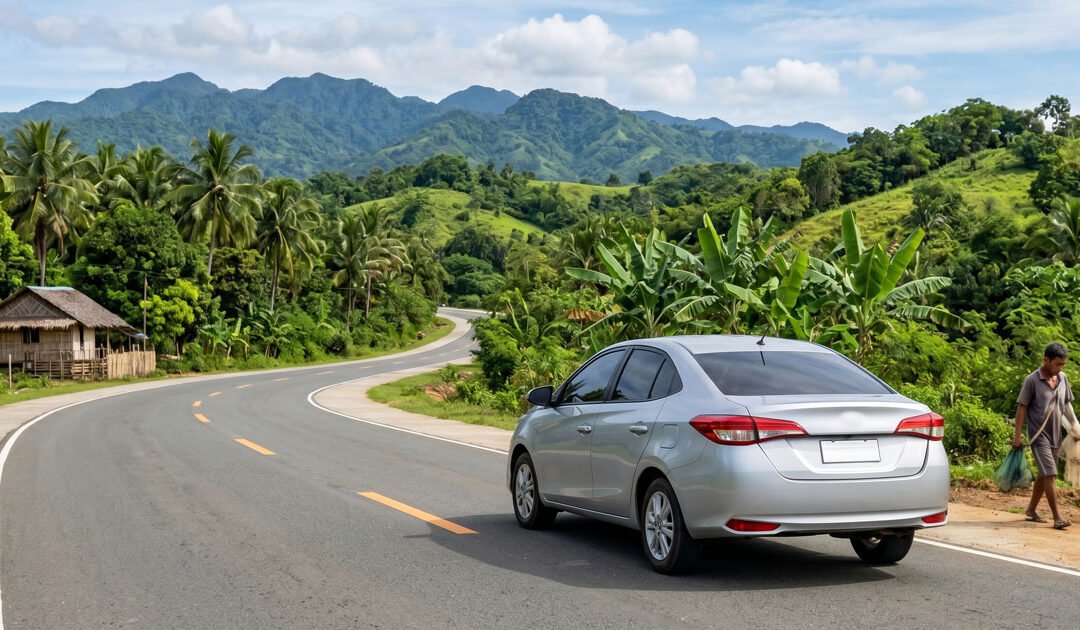
Let me tell you about the weirdest financial flex I see online almost every week. And it's a common symptom of lifestyle creep in the Philippines.
Someone posts a photo of their brand new car, fresh from the casa, ribbon and all, with a caption about "investing in myself." And the comments section showers them with fire emojis and "congrats sa blessing." No. This isn't the bitter envious gremlin in me succumbing to the "Kapag inggit, pikit" thing. Because here's the thing nobody wants to hear at the turnover ceremony: a car is almost never an asset.
An asset, in the boring textbook sense, is something that puts money in your pocket. A car mostly takes it out. The moment you drive that thing past the gate of the dealership, it loses value, and it keeps losing value while charging you rent for the privilege of owning it. Gas (or electricity). Insurance. Registration. Maintenance. Parking. That "blessing" is actually a subscription you pay to a depreciating hunk of metal.
So is a car a trap? Sometimes. But not always. Let me walk you through how I actually think about this, kasi the honest answer is "it depends."
The math nobody runs before signing the chattel mortgage
Here's a worked example, because I love ruining people's day with numbers.
Say you buy a Toyota Vios, the default Pinoy sedan, base variant around ₱738,000. You finance most of it. Now stack the holding costs on top of the monthly amortization:
A car in this country loses roughly a fifth of its value in year one and keeps bleeding after that. So on day one you are already "down" maybe ₱120,000 to ₱150,000 in paper value. Then comes fuel. With gasoline bouncing around ₱85 a liter in Metro Manila as of late June 2026, a Vios doing a decent 13 km per liter in actual Manila traffic burns about ₱98,000 a year. That's ₱8,000-plus every month just to move.
Add comprehensive insurance, LTO registration, oil changes, tires, and the occasional "kakaiba ang tunog" trip to the casa, and you are easily looking at ₱150,000 to ₱200,000 a year in total cost of ownership for a modest sedan. Before amortization. Car repairs need to be factored into your emergency fund.
Now ask yourself the real question. Does that car earn or save you more than ₱200,000 a year? If you're a Grab driver, a sales rep covering provinces, or a parent whose sanity depends on not cramming three kids into an MRT at 6 AM, then yes. The car is a tool, and tools that earn their keep are fine.
If it's mostly a weekend mall machine that sits in your garage 90% of the week, then congratulations, you bought a very expensive paperweight. And here's another common trap for many car buyers. They opt for models that are maporma or get all the unnecessary bells and whistles that pile on top of the purchase price . Do not get me started on aftermarket modifications. Those also do not add value to your vehicle.
That's the framework. Not "asset or liability" but "tool or trap." A car is a liability that can be worth it. The trap is paying for something that brings back little use.

Okay, so when is a car actually an asset?
Fair enough. I've been dunking on cars this whole time, so let me give the other side its due. There genuinely are situations where a car puts money in your pocket instead of just bleeding it out. Here's where the math flips.
When the car literally earns income. The most obvious one. If your car is plated for TNVS and you're running Grab, or you're doing deliveries, padala runs, or hauling for a small business, the car is a revenue machine. A well-run unit can clear a solid five figures a month net, after fuel and the platform's cut. That's not a liability sitting in your garage. That's a teammate clocking in. The key word is "well-run," kasi your fuel, maintenance, and your own hours still have to be subtracted honestly. But when the numbers work, the car isn't an expense. It's the business.
When you rent it out. You don't even have to drive it yourself. Plenty of folks put their car on boundary or hulog with a trusted driver, or list it on peer to peer rental platforms, and just collect monthly. Now the depreciating metal box is cash flowing while you sleep. Mind the risks (insurance, wear and tear, the occasional scratch-and-ghost renter), but structurally, a rented-out car behaves a lot more like an asset than a toy ever will.
When it's a business vehicle you can write off. Here's a wrinkle most employees never think about. If you're self-employed or running a company and the car is genuinely used for the business, you can depreciate it against your taxes under RR 12-2012. The catch: only one vehicle per official or employee, value capped at ₱2.4 million, and you have to actually prove the business connection with receipts. Go past that ₱2.4M ceiling and BIR won't let you deduct the depreciation, the fuel, or even the insurance. So no, the fully-loaded Fortuner "para sa business daw" doesn't automatically count. But a legit delivery van or service vehicle? That's a deductible expense quietly lowering your tax bill, which is about the closest a car gets to paying you back.
When it unlocks income you couldn't earn otherwise. This is the sneaky one. A real estate broker who can show three properties a day instead of one. A field nurse or contractor who can take jobs across the metro. The multi-hustler whose car turns dead commute hours into earning hours. If the car demonstrably lets you make more money than it costs to keep (and I mean run the actual numbers, not the vibe), then it's a productive tool. Time is the one thing you can't remit more of from abroad.
And the rare exception, the appreciating car. Yes, certain classics and limited units do climb in value. But unless you genuinely know that market, treat this as gambling with extra steps, not a strategy. For 99% of us, that brand new car will never again be worth more than the day we drove it home.
Notice the pattern? In every one of these, the car is doing work. It's earning, renting, deducting, or unlocking. The moment it stops doing work and just sits there looking pretty, it slides right back into liability territory. Same metal box, completely different role on the balance sheet.
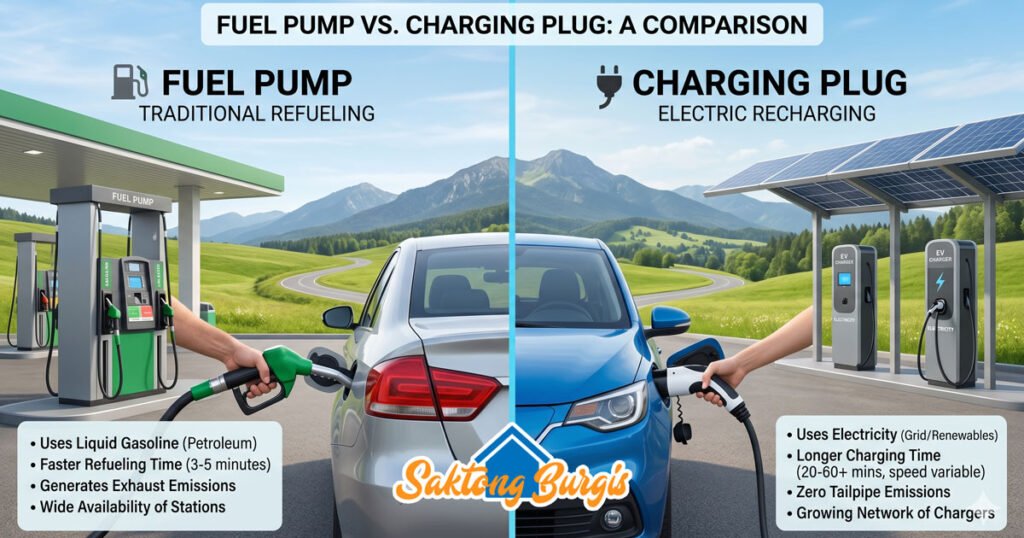
Why EVs can tweak the math
Okay so you've decided you actually need a car. The newer question is whether the thing under the hood should still be an engine at all.
The numbers here are wild. BYD sold 26,122 units in 2025, a 446% jump from the year before, which made it the fastest growing car brand in the country. It went from 25 dealerships to 79 in a single year. By early 2026 it had muscled its way into the top three brands nationally, past Suzuki, behind only Toyota and Mitsubishi. The little BYD Seagull, a P898,000 electric hatch, outsold the entire Tesla lineup by itself.
Whether you love them or roll your eyes at them, that's not a fad. That's a market shift. And it's being fueled (pun fully intended) by government policy that most people don't realize exists.
Two things make EVs cheaper to buy and own here than they have any right to be.
First, EVIDA, the Electric Vehicle Industry Development Act of 2022. Pure electric cars pay zero excise tax, while a comparable gas car can carry six figures of excise baked into the sticker. EVIDA also throws in perks that hit your wallet sideways: an eight year number coding exemption in Metro Manila, which for some commuters is worth more than the fuel savings, plus mandated parking slots and priority registration.
Second, Executive Order 12, which slashed import duties on EVs (and later, hybrids) to 0% until 2028. Tariffs that used to run 5% to 30% just vanished. That's why a Chinese EV can land here priced against a humble ICE sedan instead of a luxury car.
Take note of that 2028 date though. These are temporary rates under review every year. If they lapse, EV prices could climb. So part of the current EV boom is people grabbing the discount while it's still on the shelf. And
it's this more attractive financial option that makes the case strong for cars being assets as long as the math checks out.
The actual takeaway
A car is not an asset. Stop telling yourself it is. It's a liability that, in the right hands and the right use case, pays for itself in time, income, or sanity. That's a perfectly good reason to own one. Just be honest about which bucket yours falls into.
And the EV question? The Chinese brands have genuinely changed the math, helped along by zero excise, zero tariffs, and a coding exemption that the government has only promised through 2028. If you're a heavy driver with a home charger, the switch can pencil out beautifully. If you're not, the smartest EV is the one you don't buy this year.
The trap was never the car. The trap is buying more car than your life actually needs, then calling it an investment so it stings less.
What's your kotse situation? Tool or trap?